The Scrum-Half’s Job Beyond the Pass
The scrum-half links forwards and backs through timing, communication, and positioning, helping you read why a pass, carry, or call shapes the next phase.

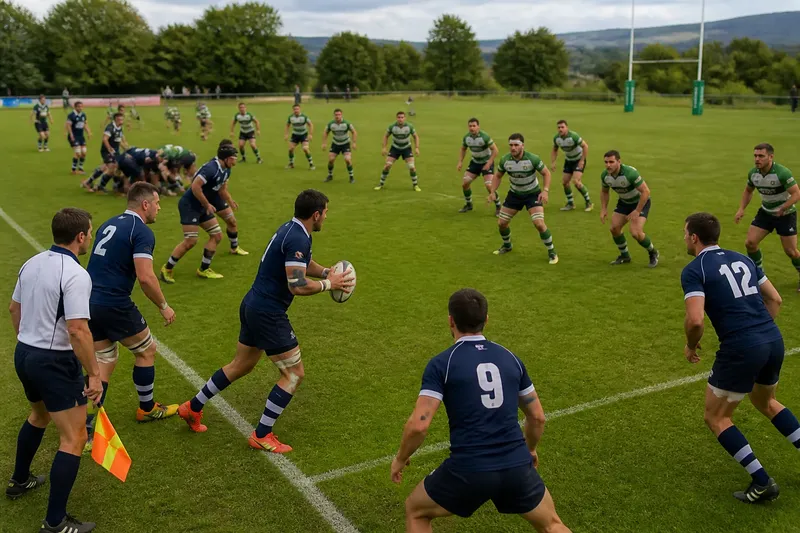
At a scrum near the touchline, the ball rolls out and the scrum-half is already moving. One hand reaches for it, the player looks across the defensive line, and a call sends a forward toward the next task. The pass is only the visible part of the job. To understand the scrum-half’s role in rugby, watch how this player connects the forwards’ work to the backs’ next decision.
The team’s connector
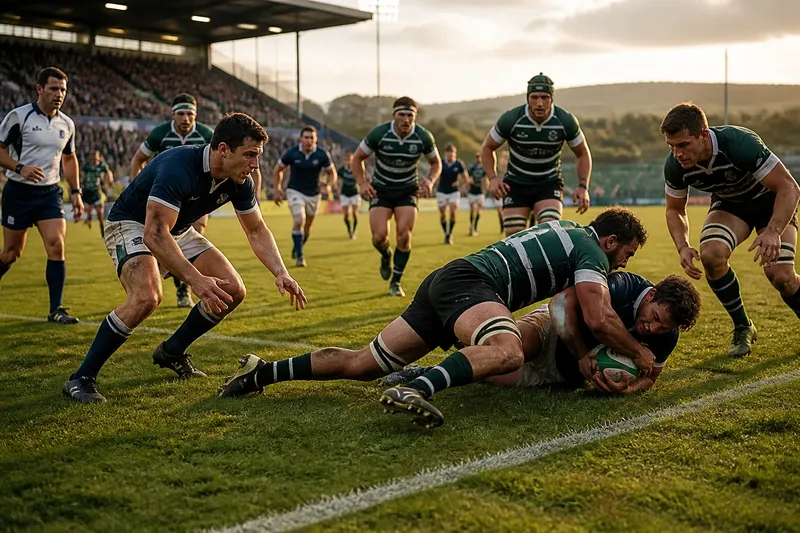
The scrum-half, usually numbered nine, plays close to breakdowns and set pieces, where possession becomes available. A breakdown is the contest after a tackle; a set piece is a structured restart, such as a scrum or lineout. From these points, the scrum-half commonly distributes the ball. That distribution is useful only if the receiver has time, space, and a clear idea of the plan.
Think of the scrum-half as a hinge: it lets two parts of a door move together without deciding where the door leads. Forwards secure or carry the ball, while backs often receive it farther from the contest. The scrum-half’s position and decisions help those groups act as one attack rather than as separate clusters.
The role changes with the phase. At a scrum, the scrum-half may feed the ball, retrieve it, then choose whether to pass to a forward or move it toward the backs. At a ruck, the player may have only a brief view of the defense and must identify the best available option. Duties vary by team and situation, so notice who is ready to receive before judging the pass.
Communication before possession
Communication often begins before the ball is available. The scrum-half can call for a forward to protect the next breakdown, signal a planned move, or tell a receiver to hold position. These calls reduce hesitation: teammates can prepare their body shape and spacing instead of reacting only after the ball emerges.
Not every instruction is a long shout. A gesture, a change of pace, or a glance toward a teammate can carry meaning when the field is noisy. The scrum-half listens, too. A forward may indicate that the ball is difficult to release, or a back may call that the defense has shifted. Communication is a two-way exchange, not a running commentary from one player.
Imagine a team has formed a ruck, but its outside back is still moving into position. The scrum-half sees the receiver is not ready, calls for a forward to take the next carry, then waits for the back line to organize. The observable result is a phase that begins with the intended players prepared, rather than a rushed pass to someone still turning around.
Positioning for choice
Where the scrum-half stands affects what the player can see and how quickly the ball can move. Too close to the bodies at a ruck, and it may be hard to reach the ball or look up. Too far away, and the defense has more time to close space. Players adjust their distance to the quality of the ball, the attack’s shape, and the opposition’s pressure.
Positioning includes the body as well as the feet. A scrum-half facing the intended receiver can pass quickly, while a player whose shoulders are turned toward the ruck may need another movement to redirect. Watch the scrum-half’s head and shoulders as the ball becomes available: they can reveal which options the player is keeping open.
There is no single correct spot after every breakdown. A slow, messy ruck may call for a closer position so the ball can be collected securely. A clean ruck with a prepared back line may let the scrum-half stand farther out and make a longer pass. The aim is to stay connected to the ball while retaining a useful view of teammates and defenders.
Pass, carry, or direct?
The scrum-half’s main choices are to pass, carry, or direct play with a kick or call. A pass moves the ball to a teammate who may have a better route forward. A carry uses the scrum-half as the runner, which can hold a defender’s attention or exploit a gap near the breakdown. Directing play may involve a kick, but it can also mean calling a set move or asking a forward to take the ball.
These options are not interchangeable. A pass is less useful if the receiver is marked and standing still. A carry may be unwise if the scrum-half has no support nearby. A kick can relieve pressure or contest space, but it also gives the other team a chance to regain possession. The decision depends on what is available, not on a fixed rule that the ball must always move quickly.
Watch what defenders do as the scrum-half approaches the ball. If they rush toward the likely receiver, a quick pass elsewhere or a short carry may challenge their alignment. If they hold back to guard a kick, the scrum-half may have room to run or pass. The point is to see how the player responds to the defense’s shape, not to assume one choice will work.
Scrum-half questions?
Why does the scrum-half often pass quickly?
A quick pass can give the next receiver time before defenders close in, especially when the ball is clean and teammates are organized. Speed alone is not the aim: a controlled pause can help a runner reach the right position or reveal a defensive movement.
Why does the scrum-half sometimes run?
A carry can make defenders commit to the scrum-half, opening room for a teammate on the next phase. It can also be the simplest route when the defense leaves a gap near the breakdown and support is close enough to continue the attack.
What does the scrum-half tell the forwards?
Calls can identify who should carry, who should protect the ball, or where teammates should stand for the next phase. The wording differs by team, so watch which player moves and whether the group appears ready when the ball is released.
Does the scrum-half always decide the attack?
No. The player often makes the immediate choice at the base, but coaches set broader plans and teammates shape what is possible through their positioning and calls. The scrum-half’s decision is one link in the team’s shared action.
Following the next phase
To read the role during a match, follow the ball from one contest to the next and ask three questions: Is the scrum-half close enough to collect it? Are the intended receivers ready? What has the defense left open? Those cues help explain why the player may speed up, hold the ball, send a forward, or move it to the backs.
Notice the work after the pass as well. The scrum-half may move behind the receiver to support the next breakdown, circle around to offer another passing option, or remain near the forwards as play shifts. A pass does not end the player’s involvement. The next position can determine whether the attack has an outlet when the first plan meets resistance.
The scrum-half’s job beyond the pass is to make the next action understandable and available. Track the calls, starting position, and movement after distribution; together, they show how the team connects one phase to another. Those quiet adjustments can reveal as much about the number nine’s role as the ball’s path.